The UN's 17 Sustainable Development Goals


What are the UN's 17 Sustainable Development Goals?

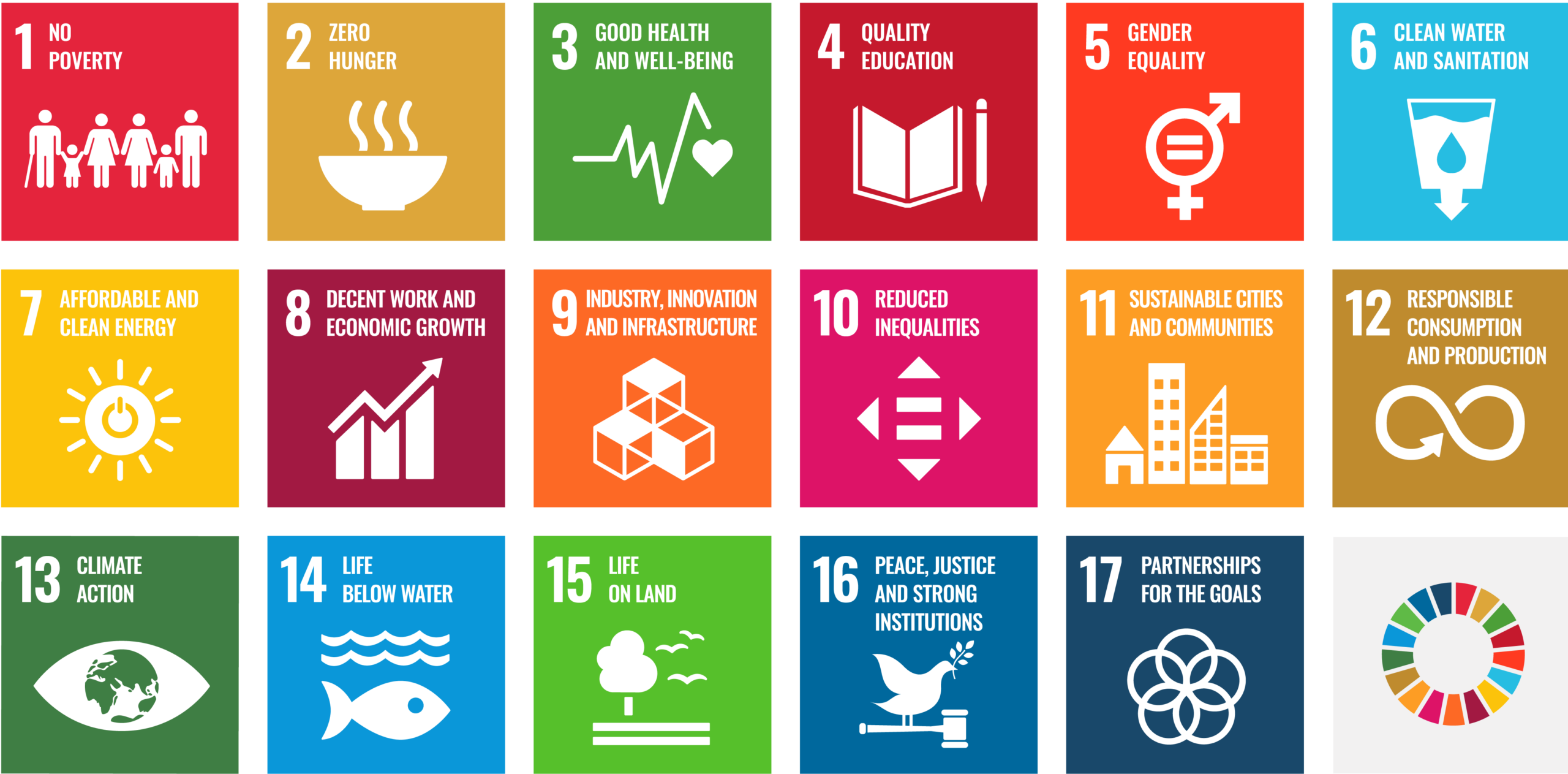
The UN's 17 Sustainable Development Goals are a common, global plan for sustainable development. The goals were adopted by all UN member states in 2015 and are intended to contribute to fighting poverty and inequality, protecting the planet and creating peace and prosperity for all by 2030.

The UN describes the SDGs as “a universal call to end poverty, protect the planet and ensure that all people experience peace and prosperity.” Read more at the UN Development Programme.


SDG 5 – Gender Equality

Human trafficking disproportionately affects women and girls and is closely linked to gender-based violence and inequality. EXIST contributes in particular to target 5.2, which is about eliminating all forms of violence against and exploitation of women and girls
– including human trafficking and sexual exploitation. Therefore, goal 5 is central to our work.

SDG 8 – Decent work and economic growth

Poverty, unemployment and lack of opportunities for economic self-sufficiency can increase people's vulnerability to human trafficking. Target 8.7 focuses on eradicating forced labour, modern slavery and human trafficking. Through SHE LEADS, EXIST also works to strengthen women's opportunities for education, employment and economic independence.

SDG 16 – Peace, justice and strong institutions

All people have the right to a life free from violence, abuse and exploitation. EXIST works to protect people in vulnerable positions and strengthen efforts against human trafficking through information, support and cooperation with authorities, safehouses and civil society organisations. The work is linked to, among other things, target 16.2, which specifically deals with combating abuse, exploitation and human trafficking of children.

SDG 17 – Partnerships for the goals

Human trafficking is a complex and cross-border problem that no one organization can solve alone. Therefore, EXIST's work is built on strong partnerships between organizations in Denmark and Nigeria, safehouses, authorities, churches, civil society and donors. Through knowledge sharing and long-term collaborations, we can create a more coherent and sustainable effort against human trafficking.

Title

Subtitle